


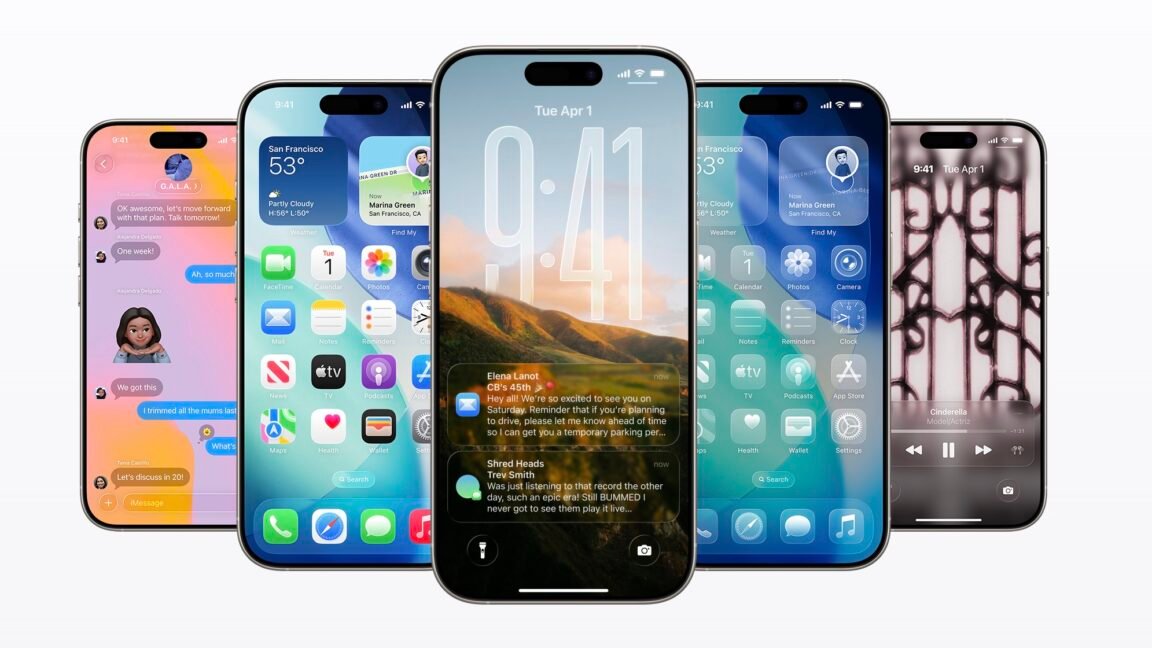
iOS 26 Adoption Rates Explained: Is Apple’s Liquid Glass UI Really to Blame?
Reports circulating last week suggested that Apple’s iOS 26 update is seeing unusually low adoption rates, raising concerns that iPhone users may be actively avoiding the new operating system. According to early data, installations of iOS 26 appeared dramatically lower than previous iOS releases, leading many to speculate that users are resisting Apple’s redesigned Liquid Glass user interface.
However, a deeper analysis reveals that this narrative may be misleading.
Why Are iOS 26 Adoption Numbers Appearing So Low?
Initial reports relied heavily on Statcounter data, which indicates that iOS 26 accounts for only 16.6% of all iOS devices as of January. In contrast, various versions of iOS 18 reportedly run on nearly 70% of iPhones.
Even more striking, iOS 18.7, released alongside iOS 26.0 in September for users who wanted security updates without upgrading to a new OS, appears to be installed on nearly one-third of all iOS devices.
At first glance, these numbers suggest a major rejection of iOS 26. But that conclusion doesn’t tell the full story.
Is the Liquid Glass Interface Turning Users Away?
Much of the attention around iOS 26 adoption has focused on Apple’s Liquid Glass design, with some claiming user backlash is so severe that it’s actively suppressing upgrades. This theory gained traction because it fits a compelling “huge if true” narrative.
Yet, there is no direct evidence proving that users are avoiding iOS 26 solely because of its interface. Adoption behavior is influenced by multiple factors—including device compatibility, upgrade timing, and data measurement limitations.
Why Statcounter May Be Undercounting iOS 26 Devices
After analyzing real-world traffic data, it becomes clear that Statcounter’s figures likely undercount iOS 26 usage.
A review of iPhone traffic across all Condé Nast websites compared:
October–December 2024 (iOS 18 era)
October–December 2025 (iOS 26 era)
What the Data Shows:
In December 2024, around 76% of iPhone pageviews came from devices running iOS 18.
In December 2025, approximately 45% of pageviews came from devices running iOS 26.
This confirms that iOS 26 adoption is slower than iOS 18, but not nearly as disastrous as Statcounter’s 16.6% figure implies.
Other Key Factors Affecting iOS 26 Adoption
1. Dropped Device Support
iOS 26 no longer supports:
iPhone XS
iPhone XS Max
iPhone XR
All three models were released in 2018 and were still supported by iOS 18. This alone removes millions of devices from the upgrade pool, naturally lowering adoption percentages.
2. User Upgrade Behavior
Many users:
Delay major OS updates
Prefer stability over new features
Choose security-only updates (like iOS 18.7)
This cautious behavior is common and does not necessarily signal dissatisfaction.
Final Verdict: Is iOS 26 Failing?
No—iOS 26 is not failing, but it is being adopted more slowly than previous versions.
While early data sparked fears of widespread rejection, more comprehensive traffic analysis suggests:
Adoption is moderate, not catastrophic
Liquid Glass UI backlash is unproven
Compatibility changes significantly impact statistics
Third-party tracking tools may not reflect real usage accurately
In short, iOS 26 adoption is slower—but far from a disaster.