


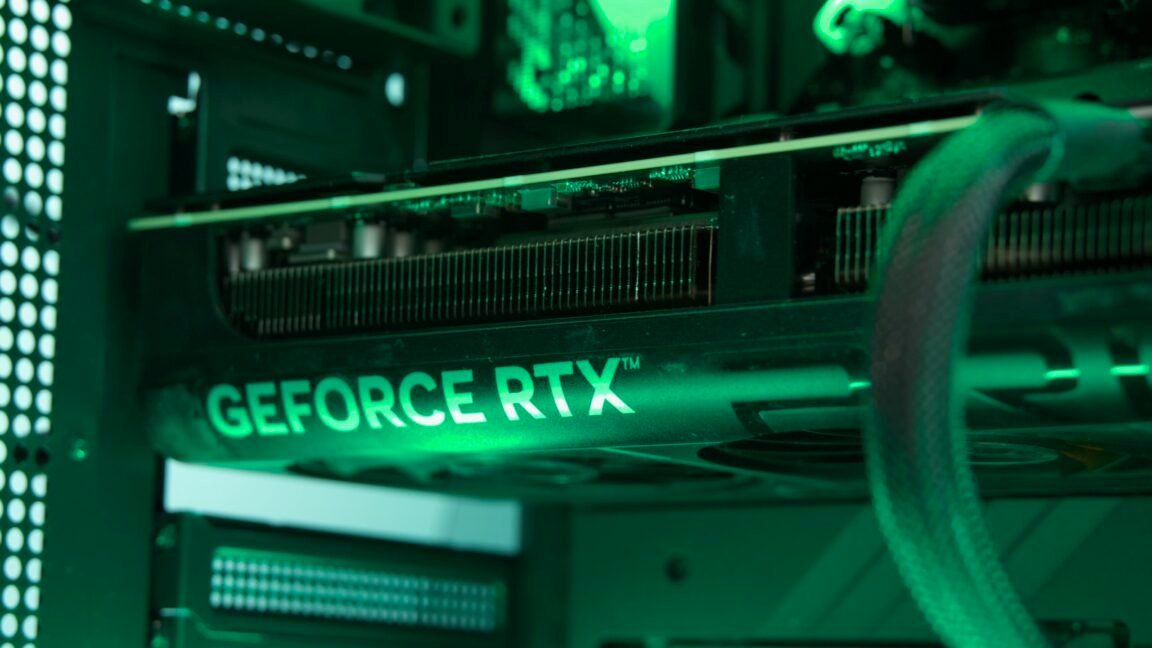
AI Memory Shortage Set to Redefine the PC Industry in 2026
The AI-driven memory shortage fueled by Big Tech is shaping up to be the most defining challenge for the PC industry in 2026 and beyond. As artificial intelligence workloads expand rapidly, demand for RAM and NAND flash memory has skyrocketed, creating supply constraints that are now rippling across the entire hardware ecosystem.
Why Are RAM and SSD Prices Increasing So Rapidly?
Standalone, direct-to-consumer RAM kits were among the first products hit hard by the shortage. By the end of 2025, RAM prices had surged by 300% to 400%, while SSD prices also rose, though at a comparatively slower pace.
Key reasons behind the price surge include:
Massive AI data center expansion by Big Tech companies
Limited global production capacity for DRAM and NAND chips
Long-term supply contracts favoring enterprise buyers over consumers
So far, existing inventories and pre-negotiated supply agreements have helped prevent extreme price spikes in laptops, desktops, and smartphones—but that buffer may not last much longer.
How the Memory Crunch Is Now Affecting GPUs
In early 2026, signs emerged that the RAM shortage is spilling into the GPU market. Asus sparked industry-wide discussion when it appeared to announce the discontinuation of its GeForce RTX 5070 Ti, a move it later attempted to walk back.
While the cancellation remains uncertain, the reasoning behind it highlights a larger trend in GPU manufacturing economics.
Why GPU Makers May Deprioritize the RTX 5070 Ti
The RTX 5070 Ti uses 16GB of GDDR7 memory and a partially disabled version of Nvidia’s GB203 GPU silicon—the same core chip and memory configuration found in the higher-end RTX 5080.
From a business standpoint, GPU manufacturers face a critical question:
Why sell a $749 GPU when the same memory and silicon can be used in a $999 or higher-priced card?
Given limited GDDR7 availability, manufacturers are increasingly incentivized to allocate memory to higher-margin GPUs.
Real-World Pricing Confirms the Shift
Despite official MSRPs, real-world pricing tells a different story:
RTX 5070 Ti street prices: $1,050–$1,100
RTX 5080 street prices: $1,500–$1,600
Although RTX 5080 cards require more advanced cooling solutions, stronger PCBs, and premium components, the profit-per-gigabyte of RAM remains significantly higher.
What This Means for Consumers and the PC Market
As AI continues to dominate semiconductor demand, consumers should expect:
Fewer mid-range GPUs with high VRAM
Continued pressure on RAM and SSD prices
Greater focus on premium, high-margin hardware
Slower price normalization for gaming and productivity PCs
Final Takeaway
The AI memory shortage is no longer just a data center problem—it is reshaping pricing strategies across the PC, GPU, and consumer electronics markets. As long as Big Tech prioritizes AI workloads, RAM, SSD, and GPU prices are likely to remain elevated well into 2026 and beyond.